Treated EFB Pellet
Treated EFB pellet radicate the weaknesses of raw EFB as a fuel.
This environmental-friendly product can be used for:
- Power plants/generators
- Industrial and institutional users
- Green houses in farms
- House heating
Comparison EFB Pellet & Torrefied Treated EFB Pellet
| Characteristics | * EFB Pellet | Treated EFB Pellets (PHYTO) |
|---|---|---|
| Moisture Contents % | 7.7 ~ 8.7 | 6.5 |
| Ash % | 3.2 ~ 11.9 | 1.3 |
| Gross Calorific Value (Kcal/Kg) | 3,880 ~ 4,260 | 4,514 |
| Fixed Carbon % | 16.1 ~ 16.9 | 12.0 |
| Potassium K % | 1.4 ~ 1.7 | 0.014 |
| Sodium, Na % | 0.3 ~ 0.9 | 0.008 |
*Data from Journal of Oil Palm Research.
-
What is Biomass Fuel?
Bio fuel is produced from biomass (plant matters) and presently in the market there are 2 major types of biomass commonly known as cultivated biomass such as empty fruit bunches (EFB), rice husk, cotton stalk, etc. and harvested biomass such as sawdust and wood chips from the lumber industry. Both this biomass is being transform into bio fuel in the form of pellets or wood chips.
Cultivated Biomass
Cultivated biomass derives from cultivated crop for their fruits or food crop and upon processing the fruit or food crop the biomass are by products which are discarded as rubbish. Common example is empty fruit bunches (EFB) which is a by-product from the palm oil extraction. The oil palm trees are heavily fertilized to obtain maximum fruiting to ensure good oil yield.This biomass by nature are not suitable to produce bio fuel due to the fact that they contain high potassium, sodium and other alkaline metal elements from the fertilizers, which when burn as fuel will cause heavy slagging and fouling to the boilers. As such numerous research have been carry-out by research institution for solution to this matter. The institution researched to resolve the problem of heavy slagging and ash reduction in order for this cultivated biomass to be transformed into usable bio fuel as a replacement or substitute to coal.
Harvested Biomass
Harvested biomass derives from the lumber industries as a by-product in the form of sawdust and wood chips, this particular biomass requires less treatment as they are grown wild by nature and as such no fertilization was carried out resulting in their low potassium, sodium and other alkaline metal elements presence. This biomass only requires proper drying to reduce the moisture content to between 8 to 12 % and are ready for pelletizing to form sawdust pellets commonly known as wood pellets in the market. -
What is Empty Fruit Brunches (EFB) & Palm Kernel Shell (PKS)?
EFB and PKS biomass, is an important renewable and clean energy resources. In Malaysia, the palm oil industry generates about 100 million tons of Fresh Fruit Bunches (FFB) from the plantations annually. Upon extracting the oil, the 429 palm oil mills generate about 20 million tons of EFB and 6 million tons of PKS annually. In the past this biomass is considered as a waste but today it is a known energy resources. Unprocessed PKS is widely export as fuel even with its inherent weakness to help the power generation industry meets it mandatory requirement, since there are lack of other alternatives available in the market. However, very little attention is being paid to the 20 million tons of EFB per year, mainly due to the inability of the industry to create a product that meets the industry stringent requirement and environmental issue.
-
How is EFB Derived?
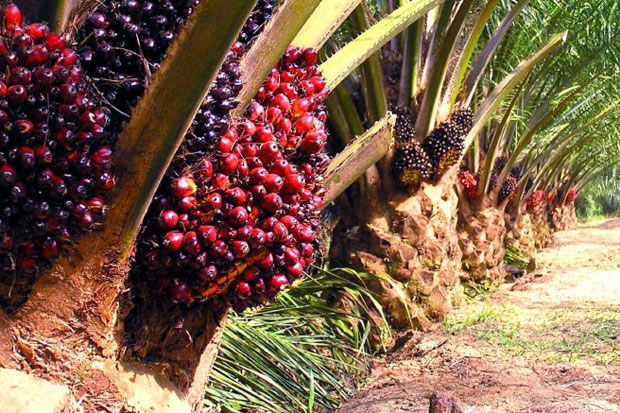 Oil Palm Tree
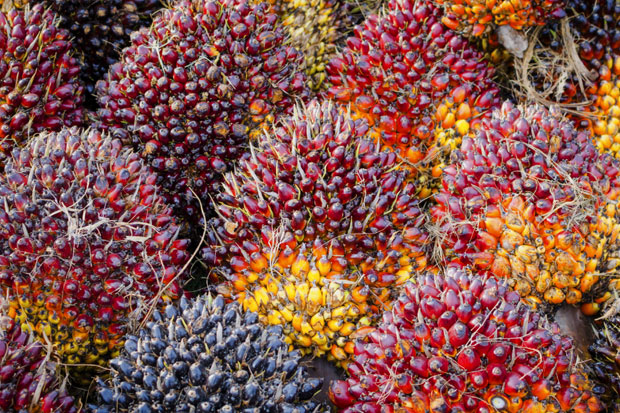 Fresh Fruit Bunches
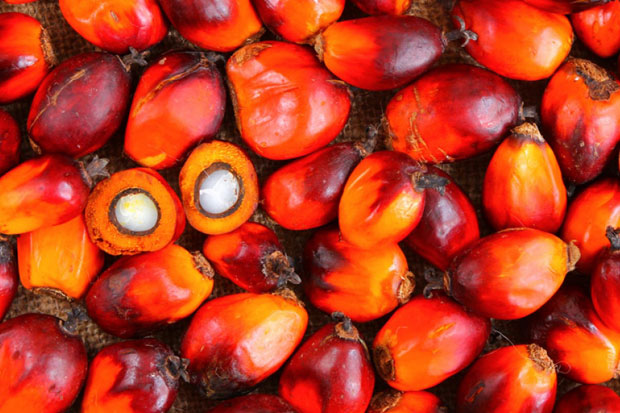 Oil Palm Fruits
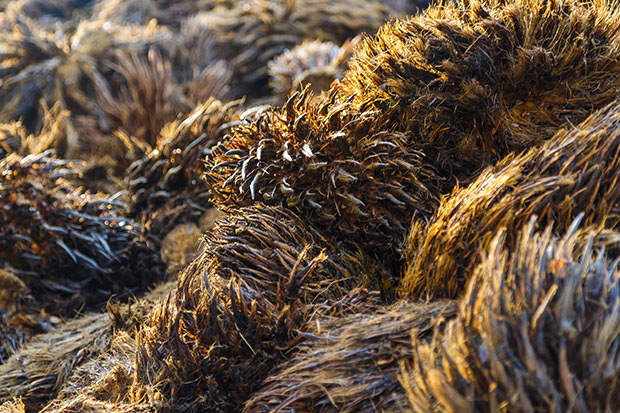 Empty Fruit Bunches
EFB is derived from the oil palm tree, when the fresh fruit bunches are harvested they goes through the process of sterilization to loosen the oil palm fruits, once the fruit is dislocated, we are left with the empty fruit bunches as described in the pictures above.
-
Disadvantage of natural EFB as a Fuel
CONTENTS PROBLEM High Ash Heavy Slagging and Fouling High Potassium Heavy Slagging causes high maintenance cost Low Calorific Value Use more Volume Low Energy Density High Transportation cost -
Raw EFB Weaknesses
EFB has many deficiencies, such as bulky in volume, high in moisture with low net calorific value as compared to EFB pellet. EFB pellet is a reliable biofuel resource, which is easy to transport, store and use. What’s most important, EFB pellet has high density and high combustion value, and it releases more energy during combustion. One of the key factors is different moisture contents and bulk density.
-
Why Make EFB Pellets?
EFB has many deficiencies, such as bulky in volume, high in moisture with low net calorific value as compared to EFB pellet. EFB pellet is a reliable biofuel resource, which is easy to transport, store and use. What’s most important, EFB pellet has high density and high combustion value, and it releases more energy during combustion. One of the key factors is different moisture contents and bulk density.
-
EFB Pellets VS Wood Pellets
As we all know, wood pellets as the primary biomass energy, have dominated the biomass pellets market for many years. Compared with wood pellets, EFB pellets are more widely used in industrial boilers, while wood pellets are still the best choice for household heating. This is because household biomass boiler is higher in demand as compared to industrial biomass boiler.